Why Your Knee Pain Isn’t Healing: The 3 Things I Look At Before Any Treatment
You’ve done the physical therapy, tried injections, rested, strengthened, and followed every instruction you were given. Yet your knee pain is still there, lingering and frustrating. At some point, it starts to feel like your body is failing you. But here’s the truth, you’re not broken. What’s far more likely is that something important was missed early on, and everything that followed was built on the wrong foundation.
When your knee doesn’t improve, it’s easy to assume you just need a different treatment. Maybe a new exercise program, a different injection, or another opinion. But the real issue usually isn’t a lack of effort or options. It’s that the wrong question has been guiding your entire recovery. Instead of asking what to try next, you should be asking what problem you’re actually trying to solve. That shift changes everything.
Episode Video
You’ve Been Solving the Wrong Issue
Knee pain is not a single condition. It’s a symptom with many possible causes. Your pain could be coming from instability, inflammation, joint degeneration, or even compensation patterns from your hip or spine. If that root cause isn’t clearly defined, every treatment becomes a guessing game. You may get temporary relief, but you won’t see lasting results.
Most people never get this level of clarity. Instead, they move from one solution to the next without a clear diagnosis guiding the process. That’s why so many people feel stuck. It’s not that nothing works; it’s that the treatments weren’t matched to the real problem in the first place.
Why Most Knee Pain Treatments Fall Short
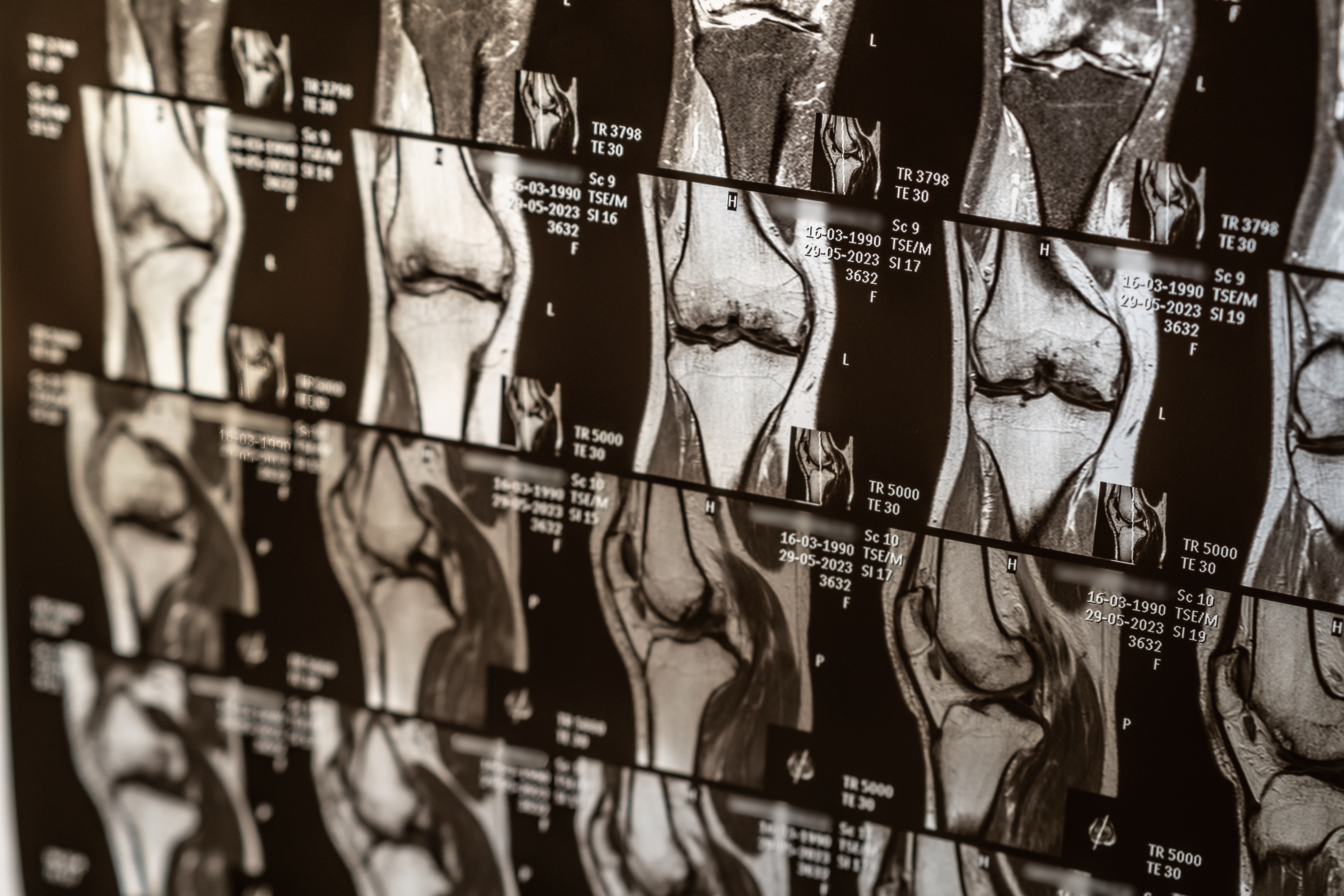
Here’s where things usually go off track. Many treatment plans are built around imaging results like X-rays or MRIs, or based only on symptoms like pain when running, kneeling, or sleeping. Sometimes, the plan is simply based on what’s most available at the time. What’s often missing is a deeper look at timing, movement patterns, and how ready your body actually is to heal.
Because of that, you may end up cycling through repeated injections, generalized physical therapy, and basic strengthening programs. While these tools can be helpful, they’re often applied without the right context. That’s why you might feel temporary relief but never experience a true shift in your knee function. Without a clear strategy, even good treatments can fail.
The 3 Things You Must Fix Before Your Knee Can Heal
If your knee pain hasn’t improved despite your efforts, there are three critical factors you need to look at first. These are often overlooked, but they make all the difference in whether your body can actually recover.
The first is stability. Your knee needs proper structural support to function correctly. If there’s instability from issues like ligament damage or a meniscus tear, your knee may be moving in ways it shouldn’t. When that happens, no injection or therapy will hold because the foundation isn’t stable. Until that’s addressed, everything else is just temporary.
The second is your inflammatory environment. Your body’s ability to heal depends on more than just your knee. Sleep quality, nutrition, metabolic health, and stress all play a role in how your system responds. If your body is overwhelmed, even the best treatments won’t be effective. In that case, the problem isn’t the treatment. It’s the environment it’s being applied in.
The third is sequencing. Timing matters more than most people realize. You might have done the right treatment, but at the wrong time. This happens often, especially when your body isn’t ready for a certain level of load or intervention. When sequencing is off, progress stalls, and it can feel like nothing is working, even when it could.
What Happens When These Factors Are Ignored
When stability, inflammation, and timing aren’t addressed, you don’t just stay stuck, you start to lose ground. Strength declines, movement patterns worsen, and confidence in your body fades. Over time, you may begin to believe that nothing will work for you. That belief can be incredibly discouraging, but it’s rarely accurate.
What’s really happening is that the process hasn’t been structured correctly. Your body hasn’t been given the right conditions to succeed. Once those conditions are in place, progress often becomes much more predictable and sustainable.
Final Thoughts
If you’ve tried everything and your knee still isn’t better, the answer isn’t to push harder or do more. It’s to get clearer. You need a precise understanding of what’s actually driving your pain so that every step you take moving forward has a purpose.
When you define the problem correctly, your path forward becomes more focused and effective. Instead of jumping from one treatment to another, you start making decisions based on what your body actually needs. That’s when real progress begins, and when your knee finally has a chance to heal the way it’s supposed to.
Frequently Asked Questions
Why does my knee still hurt after physical therapy?
Physical therapy can help, but if it’s not targeting the root cause, like instability or inflammation, it may not lead to lasting results. Without a clear diagnosis and proper sequencing, exercises may improve strength but not fix the underlying issue driving your pain.Do MRI results always explain knee pain?
Not always. Imaging like MRIs can show structural changes, but they don’t always explain why you’re in pain. Many people have abnormal findings without symptoms. Your pain needs to be understood in the context of movement, stability, and overall body function.Are injections enough to fix knee pain?
Injections can reduce pain or inflammation temporarily, but they don’t correct instability or poor mechanics. If the underlying issue isn’t addressed, relief is often short-lived, and the pain may return once the effects wear off.How does inflammation affect knee healing?
Inflammation is influenced by sleep, stress, diet, and metabolic health. If your body is in a constant state of inflammation, healing slows down. Even effective treatments may not work properly until your overall environment supports recovery.What does “sequencing” mean in knee treatment?
Sequencing refers to doing the right treatment at the right time. For example, strengthening too early or using advanced treatments before your body is ready can delay progress. Proper timing ensures each step builds on the last for better results.
If you're ready to take control of your knee pain, click here to discover more about these five effective knee pain home treatments. With these simple steps, you can start your journey towards pain-free knees and a more active lifestyle.


