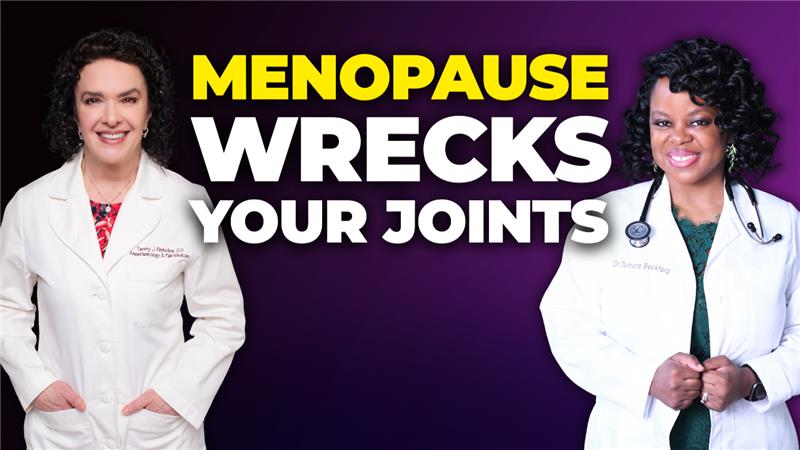
Menopause is Trashing Your Joints | The Hormone Connection to Pain, Frozen Shoulder & Muscle Loss
When you think about menopause, you may picture hot flashes, night sweats, and missed periods. Those symptoms get most of the attention. But menopause can affect far more than your reproductive system. It can change the way your whole body feels, moves, and recovers. If you have noticed more joint pain, more stiffness, less strength, or longer recovery after exercise, there is a real reason for it.
Many women start to feel like their bodies are betraying them during this stage of life. You may wake up sore, struggle with shoulder pain, or feel like your knees and hips are aging faster than the rest of you. You may even blame yourself and think you stopped working out hard enough, stretched the wrong way, or simply got older overnight. In reality, menopause can be the missing piece that explains what is happening. Once you understand that connection, you can stop guessing and start making choices that support your body.
Episode Video
What Happens to Your Body During Menopause
One of the biggest changes during menopause is the drop in estrogen. Most people are taught that estrogen mainly affects your cycle, fertility, and reproduction. But estrogen does much more than that. It also plays an important role in your muscles, joints, bones, and even the way your body handles inflammation.
As estrogen levels begin to fall, your body may become more inflamed and less resilient. Your joints may not feel as supported or as well-lubricated as before. Your muscles may start to weaken more easily. Your recovery from workouts, stress, and injuries may slow down. This is one reason menopause can feel so frustrating. You may still be doing many of the same things you did in your 30s or early 40s, yet your body responds very differently.
This is not in your head, and it is not simply a matter of “getting older.” Hormonal shifts can change how your body functions from the inside out. That is why menopause deserves a much bigger conversation, especially when it comes to movement, strength, and long-term health.
Menopause and Joint Pain - Why Your Body Feels Stiff, Sore, and Inflamed
If you have been dealing with joint pain during menopause, you are not alone. Many women notice new pain in the shoulders, hips, knees, elbows, or lower back during perimenopause and menopause. The problem is that these symptoms are often brushed off as random injuries, overuse, stress, or arthritis alone. While those factors can matter, menopause may be playing a major role too.
As estrogen drops, inflammation can rise. That increase in inflammation can make your joints feel more painful and less mobile. The tissues around your joints may become more irritated, and your body may not recover the way it used to. What once felt like a normal workout may suddenly leave you sore for days. What once felt like minor stiffness may become a daily struggle.
This is one reason some women are shocked when they develop problems like frozen shoulder or tendon pain in midlife. It may seem to happen all at once, but in many cases, the body has been slowly changing for months or even years. Menopause may not be the only reason, but it can be a major driver that has been hiding in plain sight.
Why Menopause Can Make Old Injuries Feel Worse
During menopause, you may notice that your body no longer bounces back quickly. A workout that once left you energized may now leave you aching. A minor strain may linger much longer than expected. Even if you are doing all the “right” things, healing can feel slower and less complete. That can be discouraging, especially if you have always been active and strong.
Hormones influence how well your tissues repair themselves. They also affect muscle support, inflammation, and recovery time. So when your hormones begin to shift, your body may become less efficient at healing. You may notice that pain sticks around longer or that one issue seems to lead to another. A shoulder problem may be followed by hip pain, then knee pain, then a feeling that your whole body is becoming more fragile.
That pattern can make you want to stop moving altogether. But that can create a new problem. When you move less, you often lose more muscle and more stability. Over time, that can make menopause symptoms even harder to manage.
The Hidden Muscle Loss of Menopause
One of the most important but least discussed parts of menopause is muscle loss. As your hormones shift, your body can lose muscle mass more easily. This process, known as sarcopenia, can start gradually, but over time it has a major impact on how you feel and function.
Muscle is not just about appearance. It protects your joints, supports your bones, improves balance, and helps you stay independent as you age. Strong muscles make it easier to walk, climb stairs, lift bags, exercise safely, and recover from daily life. Without enough muscle support, your joints take on more stress, and your risk of falls and injuries increases.
That is why menopause is not the time to give up on strength. It is the time to protect it. Building and maintaining muscle can help you stay active and capable for years to come. It can also help you feel more like yourself again.
Menopause and Bone Loss
Bone loss is another major issue during menopause. When estrogen declines, bone density can decline too. This can lead to osteopenia and, over time, osteoporosis. The danger is that bone loss often happens silently. You may not know your bones are getting weaker until you have a scan or suffer a fracture.
That is why prevention matters. Waiting until a broken bone happens is waiting too long. You want to know what your bone health looks like before you reach that point. A baseline bone density scan can be helpful because it gives you a clearer picture of where you stand and how your body changes over time.
Protecting your bones during menopause is not just about avoiding a diagnosis. It is about protecting your future. Strong bones support mobility, independence, and confidence. When combined with strength training, proper nutrition, and hormone awareness, early monitoring can help you make smart choices before serious problems develop.
Why Hormone Testing Can Be Helpful During Menopause
If you feel like your body has changed but no one is giving you clear answers, hormone testing may be part of the conversation worth having. Many women are told their symptoms are normal or that they should just wait it out. But if you are dealing with pain, fatigue, slow recovery, sleep problems, or strength loss, it helps to get a fuller picture of what is happening.
Hormone testing can help show where your estrogen, progesterone, and testosterone levels are during menopause. It can also open the door to broader conversations about thyroid function, blood sugar, and other markers that affect how you feel. Even when a level is technically “normal,” it may not be ideal for your body or your goals.
The bigger point is this: you deserve to know more than whether your symptoms fit into a generic box. You deserve a real conversation about what is happening in your body and what options may help you feel better.
The Menopause Recovery Problem No One Talks About Enough
A common complaint during menopause is that recovery takes longer than it used to. You may need more time after exercise. Your sleep may not feel as restorative. Soreness may linger. You may even feel like your body is “creaky” in ways that are hard to explain. This can be especially frustrating if you are someone who takes pride in staying active.
The good news is that there are ways to support recovery during menopause. Strength training can help maintain muscle and joint support. Good sleep helps your body repair itself. Nutrition matters because your body needs enough protein, vitamins, minerals, and hydration to heal well. Hormone balance can also influence how your body responds to stress and repair.
Menopause may change what your body needs, but it does not mean your best years of movement are behind you. It simply means your body now needs a more intentional kind of support.
Why Resistance Exercise Helps Protect Your Joints, Bones, and Confidence
If there is one habit that stands out during menopause, it is resistance training. Strength training helps you preserve muscle, support your joints, improve balance, and protect your bones. It is one of the most powerful tools you have during this phase of life.
This does not mean you need to become a bodybuilder or spend hours in the gym. It means giving your body the signal to stay strong. That may include lifting weights, using resistance bands, doing bodyweight exercises, or following a guided program that fits your current ability level. The goal is not perfection. The goal is consistency.
When you build strength during menopause, you are not just working on fitness. You are investing in your independence. You are helping your body stay stable, capable, and ready for the life you want to live.
How to Talk to Your Doctor About Menopause Symptoms
Many women feel dismissed when they bring up menopause symptoms, especially when those symptoms go beyond hot flashes or irregular periods. If your main concerns are pain, weakness, poor recovery, or stiffness, you may not always get the answers you need right away. That can leave you feeling unheard and discouraged.
It is important to speak clearly about what has changed. You can explain that you are noticing new joint pain, slower recovery, loss of strength, changes in sleep, or reduced ability to exercise. You can ask whether menopause may be contributing to those symptoms. You can also ask whether hormone testing, bone density screening, or additional lab work makes sense based on your symptoms and age.
And if you do not feel heard, it is okay to seek another doctor. Finding a doctor who understands menopause can make a tremendous difference. Support matters, and so does being taken seriously.
Meet Dr. Tamara Beckford
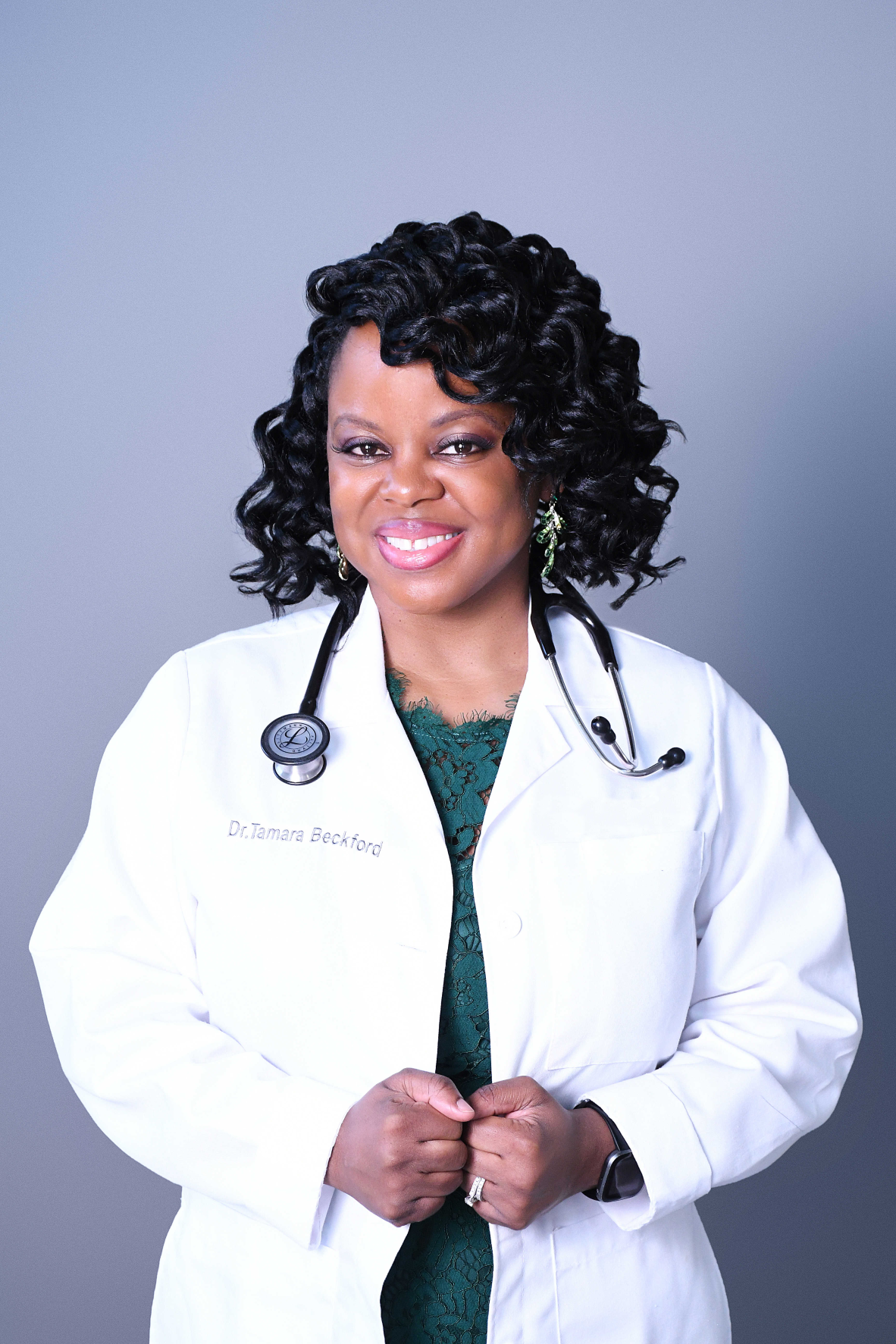
Dr. Tamara Beckford is a board-certified physician and hormone health expert with more than 15 years of clinical experience. She is known for helping women who feel unheard, overlooked, or confused about the changes happening in their bodies during perimenopause and menopause.
She is the host of the globally recognized Menopause Stories podcast, where she has spoken with hundreds of women and experts about the real-life truth of the menopause transition. Her work focuses on helping women understand their symptoms, reclaim their confidence, and make informed choices about their health.
Through Truly Balanced Wellness Care, she offers a personalized, high-touch approach for women who want more clarity, better energy, and a smarter strategy for navigating hormonal change. Her mission is to make sure you do not feel like a stranger in your own body and to help you move into this next chapter with strength and confidence.
You can connect with Dr. Tamara Beckford through her:
Final Thoughts
Menopause can feel overwhelming when no one has explained how deeply it can affect your body. But this stage of life does not mean you have to accept pain, weakness, and decline as your new normal. It means your body needs a different kind of attention and care.
When you understand the link between menopause, inflammation, muscle loss, joint pain, and bone health, you can make smarter choices. You can ask better questions. You can work with a doctor who listens. You can focus on strength, recovery, sleep, nutrition, and hormone awareness in a way that supports your long-term health.
Most of all, you can stop blaming yourself for changes that have a real biological cause. Menopause is a transition, not a dead end. With the right support, you can feel strong, capable, and fully connected to your body again.
Frequently Asked Questions
Why does menopause cause joint pain?
Menopause can cause joint pain because estrogen levels drop during this stage of life. Estrogen helps regulate inflammation and supports joint health. When it declines, your joints may feel stiffer, more painful, and less mobile, especially in areas like your shoulders, hips, and knees.Can menopause make me lose muscle?
Yes, menopause can make it easier to lose muscle mass. Hormonal changes can affect how your body builds and maintains muscle, which may lead to weakness, poorer balance, and less joint support. This is one reason strength training becomes so important during menopause.Should I get hormone testing during menopause?
Hormone testing can be helpful if you are dealing with symptoms like fatigue, joint pain, sleep changes, slow recovery, or loss of strength. Testing may help you and your doctor better understand what is happening and guide a more personalized plan during menopause.How do I protect my bones during menopause?
You can help protect your bones during menopause by paying attention to bone density, staying active, doing resistance exercise, eating enough protein and key nutrients, and having the right conversations with your doctor. Early screening and prevention are often more effective than waiting for a fracture.What is the best exercise for menopause?
One of the best forms of exercise during menopause is resistance training because it supports muscle, joints, and bone health. Walking, mobility work, and balance exercises can also help. The best exercise plan is one you can do consistently and safely over time.
If you're ready to take control of your knee pain, click here to discover more about these five effective knee pain home treatments. With these simple steps, you can start your journey towards pain-free knees and a more active lifestyle.


