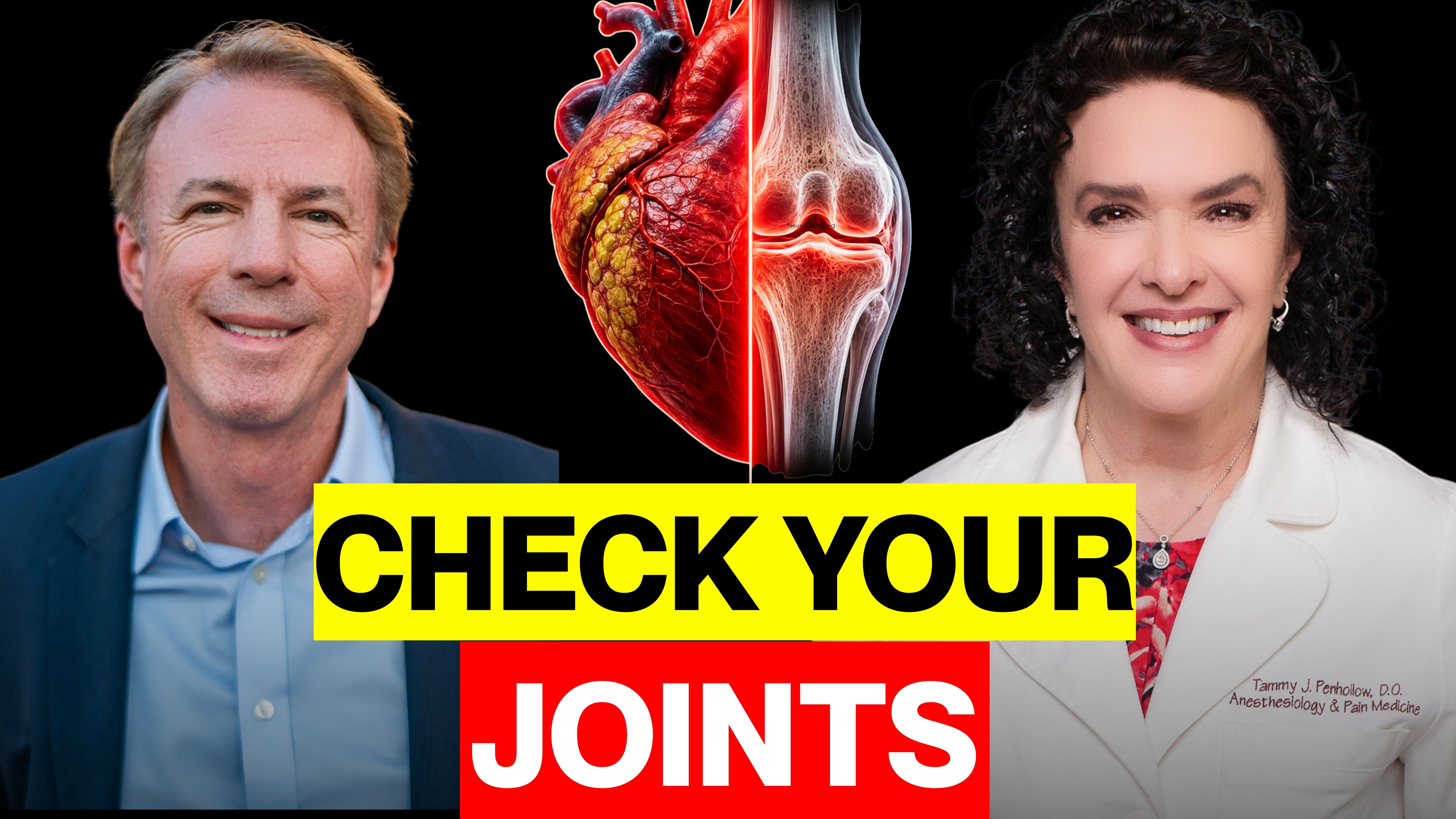
The Hidden Link Between Heart Health and Joint Pain | Dr. Robert Todd Hurst
You may think heart disease starts with cholesterol, blood pressure, or genetics. But one of the biggest hidden risks often begins much earlier: loss of movement.
When pain, arthritis, back problems, or joint injuries slowly limit your ability to stay active, your entire body can begin to decline. Your cardiovascular fitness drops. Weight gain becomes easier. Sleep worsens. Blood pressure rises. Metabolic health suffers. Over time, that chain reaction can increase your risk for heart attacks, stroke, dementia, frailty, and loss of independence.
The good news is that most heart attacks are considered preventable. And one of the most powerful tools for prevention is something simple: keeping your body moving.
Episode Video
Exercise Is Still the Closest Thing to the Fountain of Youth
For decades, physicians focused mainly on reacting to disease after it appeared. But preventive cardiology is changing that conversation.
Exercise is no longer viewed as optional for healthy aging. It is one of the strongest predictors of cardiovascular health, longevity, cognitive function, and independence.
If you want to stay mentally sharp, physically capable, and active as you age, movement becomes essential. Physical activity helps improve VO2 max, body composition, insulin sensitivity, blood pressure, circulation, and overall metabolic health. It also reduces the risk of frailty later in life.
The challenge is that many people do not notice the decline until it becomes severe. You may slowly lose strength, endurance, and mobility without realizing how much ground you have lost until a major event happens, such as a fall, fracture, heart attack, or surgery.
The Dangerous Cycle Between Pain and Cardiovascular Decline
One injury can create a domino effect throughout your body. A painful knee limits walking. Reduced movement causes weight gain. Poor fitness increases blood pressure and worsens sleep. Metabolic markers begin moving in the wrong direction. Over time, your risk for heart disease and cognitive decline rises.
This is the destructive cycle many people experience without recognizing it early enough. But the opposite can also happen.
When pain improves and mobility returns, you can rebuild strength, improve cardiovascular fitness, lose body fat, sleep better, and regain confidence. Better movement often creates momentum toward better health in every system of the body.
That is why musculoskeletal health and heart health are deeply connected.
Why Preventive Cardiology Focuses on More Than Heart Attacks
Modern preventive cardiology now looks beyond simply surviving cardiovascular disease. True longevity includes three major goals:
Preventing Chronic Disease
Heart disease, diabetes, stroke, and metabolic dysfunction often develop silently for years. Early testing and personalized prevention can identify risk before catastrophe occurs.
Avoiding Frailty
Strength and mobility are critical predictors of long-term independence. Losing muscle mass and physical function can dramatically impact quality of life.
Protecting Cognitive Health
Brain health and cardiovascular health are closely linked. Poor circulation, high blood pressure, metabolic dysfunction, and inactivity can increase the risk of dementia and cognitive decline.
If your goal is health span instead of just lifespan, movement becomes one of the most valuable tools available.
How VO2 Max, DEXA Scans, and Metabolic Testing Reveal Hidden Risk
Many people assume they are healthy because they feel fine. But advanced testing often reveals hidden warning signs long before symptoms appear.
Preventive physicians frequently use tools such as:
VO2 Max Testing
VO2 max measures how efficiently your body uses oxygen during exercise. It is considered one of the strongest predictors of longevity and cardiovascular fitness.
DEXA Scans
DEXA body composition scans help measure muscle mass, visceral fat, and body fat percentage. These metrics often reveal metabolic problems before standard weight measurements do.
Advanced Blood Testing
Markers such as ApoB, LP(a), fasting insulin, triglycerides, A1C, HDL cholesterol, and fasting glucose provide a deeper look into cardiovascular and metabolic health.
When mobility declines because of chronic pain or orthopedic problems, these markers often worsen quickly. That is why proactive testing matters. Identifying problems early creates opportunities to reverse course before major disease develops.
Preventive Medicine vs Reactive Medicine
Traditional medicine often waits for disease to appear before treatment begins.
Preventive medicine takes the opposite approach. Instead of waiting for a heart attack, stent, bypass surgery, or major orthopedic procedure, the goal becomes identifying root causes early and helping you avoid the crisis altogether.
This approach focuses on:
Personalized Prevention
Every person has unique risks, genetics, lifestyle factors, and movement limitations. A personalized strategy produces better long-term outcomes than a one-size-fits-all plan.Lifestyle Medicine
Exercise, nutrition, sleep, stress management, strength training, and mobility all work together to improve health span and reduce disease risk.Long-Term Monitoring
Frequent lab work, body composition testing, and fitness assessments can detect subtle changes before they become major health problems.
The goal is not simply adding years to your life. The goal is helping you remain strong, independent, and capable for as long as possible.
Real Examples of Preventive Medicine Changing Lives
Preventive cardiology is producing remarkable outcomes for patients willing to take action early. Some patients with severe coronary artery disease have successfully reduced arterial plaque through aggressive lifestyle and prevention strategies without requiring stents or bypass surgery.
Others have dramatically improved body composition by gaining muscle while losing significant body fat well into their 70s.
These changes are not magic. They are often the result of consistent movement, advanced monitoring, proper nutrition, metabolic optimization, and addressing the orthopedic problems that prevent people from staying active.
When you remove pain and restore movement, healthy habits become sustainable again.
Chronic Pain Can Quietly Steal Your Health Span
One of the biggest overlooked threats to longevity is chronic pain. Even when cholesterol, blood pressure, and body composition are excellent, untreated pain can slowly wear down physical and mental health.
Pain interferes with sleep, exercise, recovery, mood, and daily function. Over time, it can reduce fitness levels and limit physical activity enough to affect cardiovascular health.
That is why corrective care matters. Addressing the root cause of pain early may help preserve movement, maintain fitness, and protect long-term health outcomes.
Your Body Works as One Connected System
Medicine often separates the body into specialties, but your biology does not function in isolated parts. Your joints affect your movement. Movement affects your metabolism. Metabolism affects your heart. Heart health affects brain health. Sleep affects recovery. Pain affects all of it. Everything is connected.
When you begin viewing health through that integrated lens, prevention becomes much more powerful.
About Dr. Robert Todd Hurst

Dr. Robert Todd Hurst is a nationally recognized preventive cardiologist and longevity expert. He has nearly 30 years of medical experience, including more than 20 years at Mayo Clinic. He specializes in heart disease prevention, metabolic health, and healthy aging. Dr. Hurst founded the Heart Health and Performance Program at Mayo Clinic Arizona. His work focuses on preventing disease before major health problems occur. He uses advanced imaging, lab testing, and personalized prevention strategies. Dr. Hurst also emphasizes physical performance, mobility, and long-term wellness. After years in traditional medicine, he helped create HealthspanMD with Dr. Lisa Hurst. Their goal was to build a more proactive and personalized model of care. Today, Dr. Hurst helps patients improve longevity, cardiovascular health, and overall quality of life.
To learn more about Dr. Robert Todd Hurst and his prevention-focused approach to heart health, longevity, and healthy aging, visit HealthspanMD.
You can also connect with Dr. Hurst and follow his latest insights on:
Final Thoughts
Healthy aging is not only about avoiding death. It is about preserving your ability to live fully. You want to stay independent. You want to continue doing the activities you love. You want to remain mentally sharp, physically capable, and energetic for as long as possible.
Movement is one of the strongest foundations for making that happen. If pain, arthritis, injury, or mobility limitations are reducing your activity levels, addressing those problems early may be one of the most important investments you can make in your future health.
Because when movement declines, cardiovascular health often follows. But when movement improves, everything else can improve with it.
Frequently Asked Questions
How does physical activity improve heart health?
Physical activity strengthens your cardiovascular system, improves circulation, lowers blood pressure, improves cholesterol markers, and increases VO2 max. Regular movement also helps reduce inflammation, improve metabolic health, and lower the risk of heart disease and stroke.What is VO2 max and why does it matter?
VO2 max measures how efficiently your body uses oxygen during exercise. Higher VO2 max levels are strongly associated with better cardiovascular fitness, improved endurance, healthier aging, and reduced risk of chronic disease and early mortality.Can chronic pain increase heart disease risk?
Yes. Chronic pain often reduces physical activity, worsens sleep quality, increases stress, and negatively impacts metabolic health. Over time, these changes can contribute to higher cardiovascular risk and reduced overall health span.What is preventive cardiology?
Preventive cardiology focuses on identifying and reducing heart disease risk before major cardiac events occur. This includes advanced testing, lifestyle medicine, exercise guidance, nutrition, metabolic optimization, and personalized treatment plans.Why is mobility important for longevity?
Mobility helps preserve strength, independence, balance, cardiovascular fitness, and cognitive health as you age. Maintaining movement reduces the risk of frailty, falls, chronic disease, and loss of independence later in life.
If you're ready to take control of your knee pain, click here to discover more about these five effective knee pain home treatments. With these simple steps, you can start your journey towards pain-free knees and a more active lifestyle.


