
Is Your Doctor Qualified to Treat Spine with Your Cells Here How to Know
Are all regenerative medicine clinics truly qualified to treat you—or could you be putting your health in the wrong hands?
In this eye-opening episode, we pull back the curtain on a booming industry that’s full of potential but also full of risk. You’ll learn what questions to ask, what red flags to watch for, and how to protect yourself from costly mistakes.
Don’t miss this episode. Dive in now before you book your next appointment!
Episode Video
Understanding Regenerative Medicine
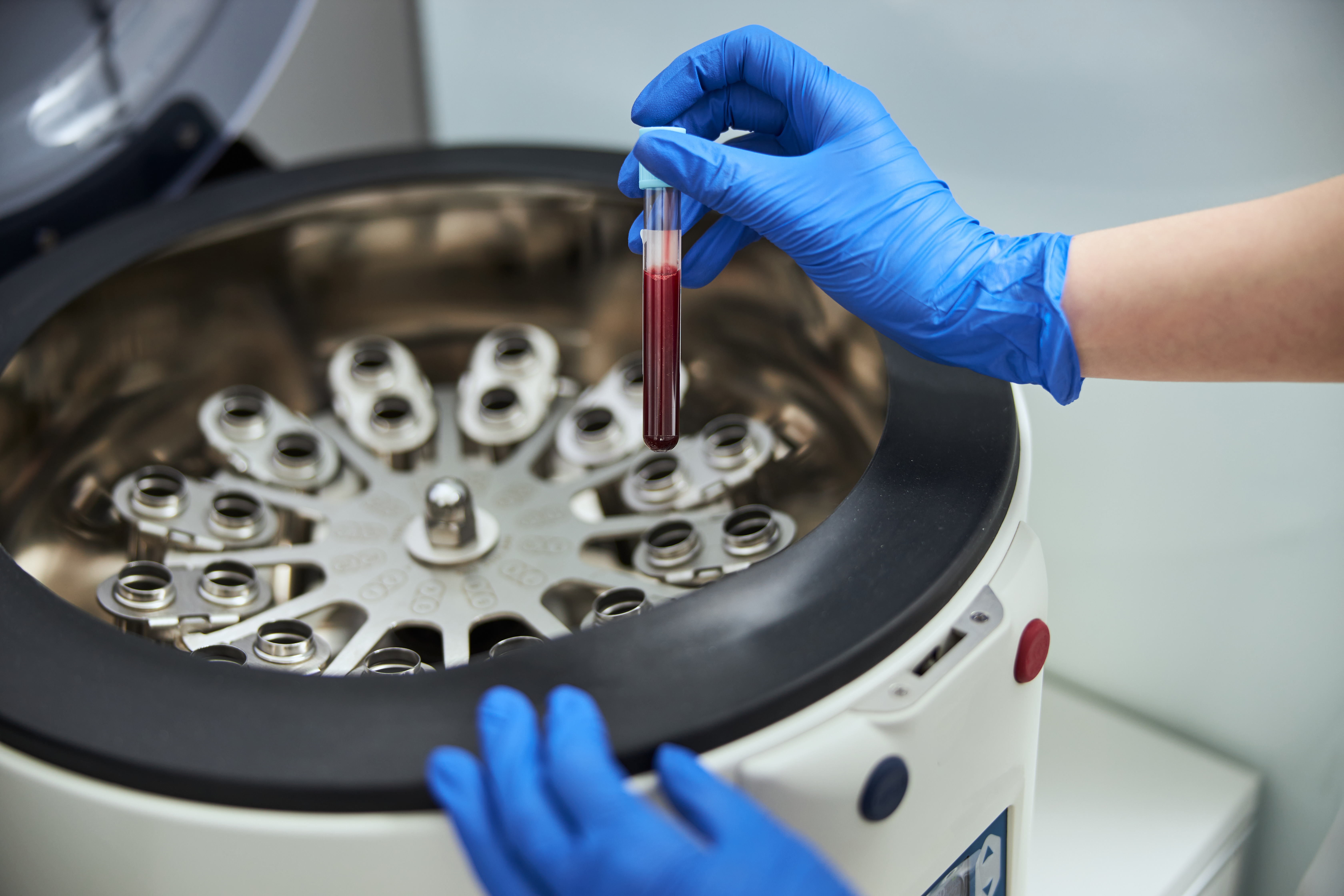
Regenerative medicine is one of the most exciting and rapidly evolving fields in modern healthcare. With its promise to help the body heal itself using cells, tissue engineering, and biologically active molecules, it offers hope for people suffering from chronic pain, joint degeneration, and soft tissue injuries. However, not all regenerative medicine clinics are created equal, and not everyone offering these services is qualified to do so. In fact, the question of "who should and who should not be doing regenerative medicine" is more urgent than ever.
Many clinics are run by seasoned professionals, physicians with years of specialized medical training, clinical experience, and board certifications. Unfortunately, others are operated by individuals who may have taken only a weekend course and practiced injections on cadavers before calling themselves experts. This is why regenerative medicine is very much a "buyer beware" industry. The wrong choice can lead not only to wasted money but also to serious health complications.
The Passion Behind Proper Practice
Regenerative medicine holds incredible potential, and those of us who are passionate about it want to see it done right. We want patients to be informed, safe, and treated by professionals who are fully qualified. That’s why it’s essential to know what to ask before choosing a regenerative medicine provider. This isn't about confrontation, it's about building trust and making informed decisions. A true expert in the field will welcome your questions and be eager to share their background, experience, and patient outcomes with transparency.
Who Should Be Doing Regenerative Medicine?
The first and most important question to ask is: What is your specialized training and experience, especially regarding the spine? The spine is incredibly delicate and demands the highest level of respect and expertise. Procedures involving the spine, like epidural injections or spinal cord stimulators, should only be performed by highly trained professionals such as neurosurgeons, orthopedic spine surgeons, or physicians with advanced pain management fellowships and years of hands-on experience. If someone’s experience only includes a cadaver course or a handful of procedures, that’s a serious red flag.
When complications arise, you want to know that your provider has hospital privileges and access to a network of surgical colleagues who can intervene if needed. This kind of preparation and qualification can be the difference between recovery and risk.
Evaluating Patient Outcomes
The second key question to ask is: How do you track and report patient outcomes? A legitimate regenerative medicine clinic should have data, years of it, on patient results. When a treatment is recommended, they should be able to share what results people like you, with your health profile and goals, have experienced.
Outcomes vary depending on age, health conditions like diabetes or obesity, and goals, from running marathons to simply playing with grandchildren. A reputable practitioner should tailor treatments to your unique circumstances and give you realistic expectations based on actual data.
Continued Education in Interventional Orthobiologics Is a Must
Finally, ask: What additional training in interventional orthobiologics have you received, and how do you maintain your expertise? Regenerative medicine isn’t the same as traditional pain management. Techniques evolve, the science changes, and staying current is essential. Providers should be actively involved with respected organizations like the Interventional Orthobiologic Foundation (IOF), The Orthobiologic Institute (TOBI), the American Association of Orthopedic Medicine, or the Biologics Association. These groups host annual conferences and publish the latest research, including vital findings, like the now widely accepted requirement of 10 billion platelets for effective knee osteoarthritis treatment.
This kind of ongoing education ensures your provider knows the most effective techniques, correct dosages, and best practices based on current scientific evidence. Sadly, many providers don’t even draw enough blood to reach the necessary platelet count, rendering the procedure ineffective from the start.
Final Thoughts
In summary, when it comes to choosing the right provider for regenerative medicine, asking the right questions can protect you and help ensure the best possible outcomes. Regenerative medicine is not magic, it’s science, experience, and partnership. By vetting providers based on their training, their ability to track outcomes, and their commitment to ongoing education in regenerative orthobiologics, you'll be far more likely to find someone who genuinely has your best interests, and your long-term health, at heart.
If you're exploring regenerative medicine clinics and want to know who should and who should not be doing regenerative medicine, these questions are your first line of defense. Choose wisely, and you’ll be taking an empowered step toward healing and wellness.
If you're ready to take control of your knee pain, click here to discover more about these five effective knee pain home treatments. With these simple steps, you can start your journey towards pain-free knees and a more active lifestyle.


