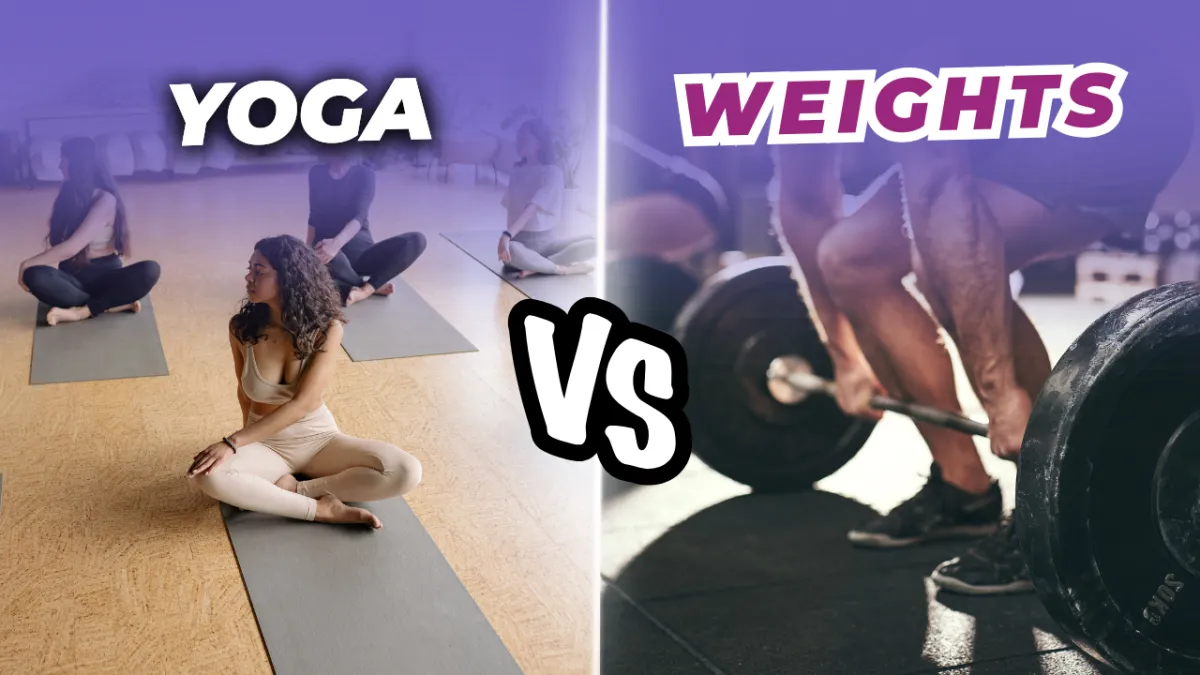
Best Knee Arthritis Exercise: Yoga or Lifting?
What if the secret to relieving knee pain isn’t lifting heavier weights, but holding a gentle yoga pose?
In this episode, I uncover surprising insights from new research that’s shaking up the conversation around knee osteoarthritis. You’ve probably heard that strength training is the gold standard. But is it the only way to protect your knees and improve mobility? We’ll explore how yoga fits into the picture, when it might actually be the better option, and what you need to consider before stepping onto the mat or into the gym.
If you’re tired of the pain holding you back, this episode might just change the way you think about movement. Dive in and find out what your knees have been waiting for.
Episode Video
Yoga for Knee Pain Relief
Knee pain can be life-altering. Whether it’s stopping you from enjoying your favorite hike, playing with your grandkids, or just making your daily chores harder, chronic knee pain is more than just an annoyance; it’s a roadblock to living fully. If you’ve been told you need strengthening exercises for knee arthritis, you’re right. But did you know that yoga can be just as effective for knee pain relief, and maybe even better in some ways?
A new study has flipped the script on traditional exercise for joint health. It found that yoga didn’t just help knee pain, it actually matched the benefits of strength training while also improving flexibility, stiffness, and overall quality of life. The only catch? Timing matters, and not every moment is the right one to unroll your mat.
Let’s dive into what this means and how yoga could be the key to happier knees.
What the Science Says About Yoga vs. Strength Training for Knees
A 2025 clinical trial published in JAMA Network Open took a deep look at how yoga compares to traditional strength training for knee pain caused by osteoarthritis. Over 24 weeks, 117 participants were split into two groups. One doing yoga, the other strength training. Both groups spent the same amount of time with therapists, ensuring the results were as accurate as possible.
Here’s what they found:
Yoga was just as good as strength training when it came to pain relief. But it didn’t stop there. Yoga came out ahead in reducing joint stiffness, improving daily function, and enhancing overall quality of life. While there were slightly more minor issues reported in the yoga group (16% versus 9%), none were serious. This study proves one major point: yoga isn’t inferior. In fact, it might be the better choice for some people.
The Real Benefits of Doing Yoga for Knee Pain Relief
Yoga isn’t just about stretching and breathing. It’s a full-body, low-impact way to improve mobility and function. For those dealing with knee osteoarthritis, it offers real, measurable benefits.
Yoga helps increase flexibility, balance, and even mindfulness, which can reduce the mental strain of chronic pain. It’s especially ideal for older adults, beginners, or people who are intimidated by the idea of hitting the gym. Practicing yoga in a group setting also adds a layer of social support and motivation that keeps many people engaged long term.
Unlike lifting weights, yoga allows you to move gently, work with your body, and build strength slowly. That can make it feel safer and more approachable, especially for those who are just starting out or who have other mild health concerns.
Why Strength Training Still Matters for Joint Health
Now, let’s not knock strength training. It has its own powerful benefits for knee pain relief. Building muscle supports and stabilizes the knee joint, especially the quads and calves that surround and protect the area.
Stronger muscles help absorb shock, reduce strain on the joint, and improve long-term stability. This makes strength training a great fit for younger individuals or people who are already very active. It can even protect the knee’s cartilage, which is vital for reducing long-term wear and tear.
So, when it comes to knee osteoarthritis, strength training is still a key part of the equation. But again, so is yoga.
When Yoga Might Not Be the Right Choice
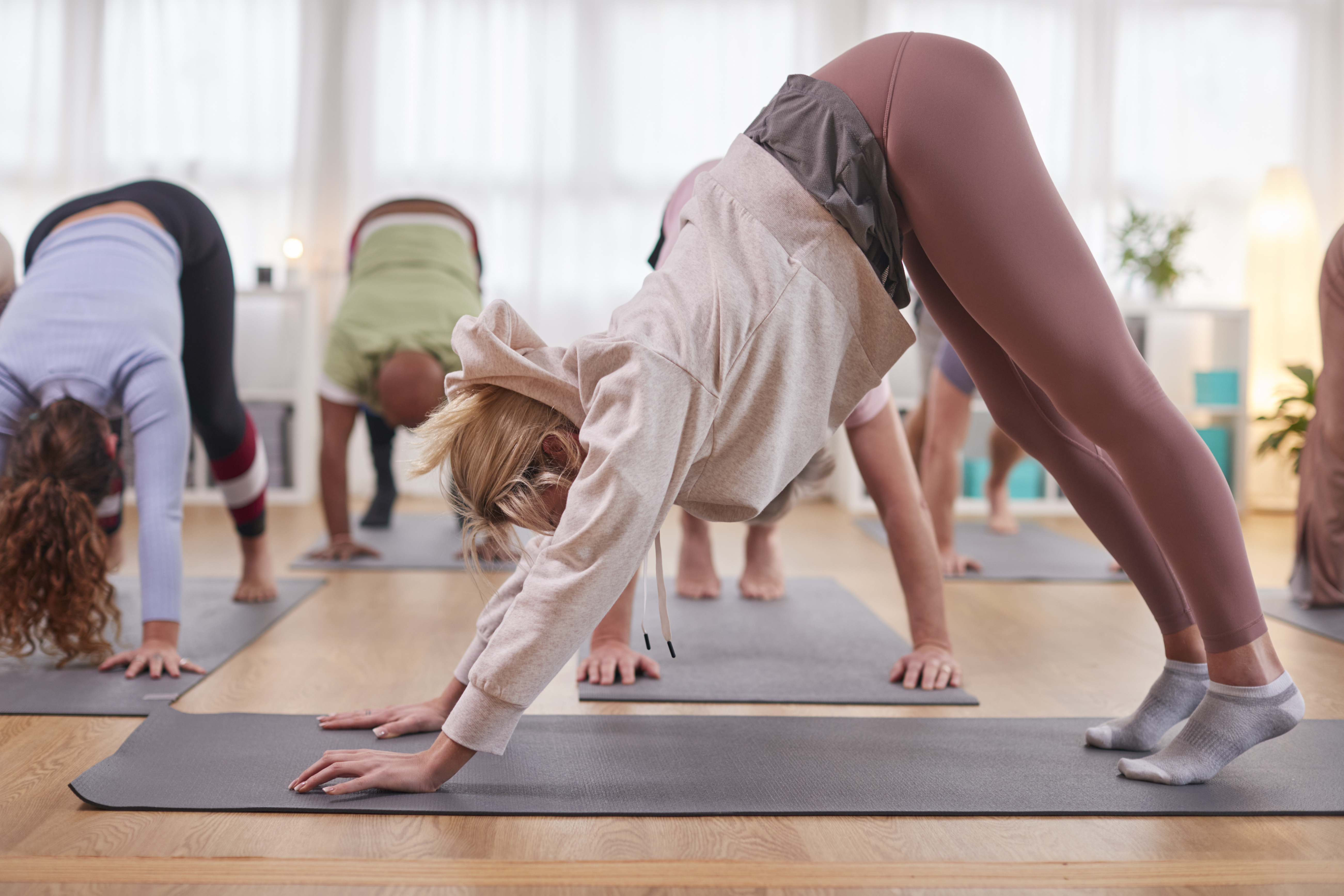
Despite all the benefits, there are times when yoga should take a backseat. If you’re experiencing a pain flare-up, your knee might be too swollen or inflamed to safely stretch and hold poses like Downward Dog.
During these times, it’s best to consult your doctor or physical therapist. They can assess your condition and help you figure out when it’s safe to resume yoga or strength training. It’s also important to have a solid foundation before jumping into any workout routine, and a therapist can guide you through safe movements that protect your knees.
Knee Pain Is on the Rise
Osteoarthritis is becoming more common worldwide, especially in the knees. In 2019, over 528 million people lived with osteoarthritis, a 113% increase from 1990. Of those, 165 million had arthritis in their knees. Fast forward to 2021, and that number jumped to 375 million with 30 million new cases each year.
In the U.S., 1 in 5 adults, or about 53 million people, have osteoarthritis. The condition affects 44% of people aged 50 to 74, and more than half of people over 75. This disease doesn’t just take a physical toll; it steals time, mobility, and joy from people’s lives.
But the good news is clear: movement is medicine. Every major guideline, from orthopedic experts to global arthritis organizations, recommends exercise as the first line of treatment for osteoarthritis in the knee, hip, or hand. Exercise therapy works.
Why Moving Your Body Is the Best Thing You Can Do for Your Knees
Regular movement can reduce knee pain and improve joint function by up to 40%. It also increases range of motion, boosts muscle strength, and improves balance, all of which reduce the risk of falling or serious injury.
And the benefits don’t stop at the knees. Exercise supports weight control, enhances mood, and promotes healthy cartilage, especially when it includes resistance training that builds muscle around the knee. Strong muscles help absorb shock and reduce the load directly on your knee joint.
This can lead to better functional mobility, lower pain levels, and improved quality of life. The program must be tailored to your body, your pace, and any other joint issues you may be dealing with, such as in the ankle or hip.
Final Thoughts
Here’s the bottom line. Whether you prefer mindful movement on a yoga mat or muscle-building in the gym, both are great choices for managing knee osteoarthritis. If lifting weights just isn’t your thing, yoga isn’t a lesser option. Yoga is equally effective in reducing pain and improving quality of life.
And if strength training is where you thrive, that’s fantastic too. Either way, you’re helping your knees get stronger, reducing pain, and taking control of your health.
Frequently Asked Questions
1. Can yoga replace physical therapy for knee osteoarthritis?
Yoga can complement physical therapy, but it shouldn't fully replace a tailored PT program, especially during flare-ups. Always consult your doctor before making changes.
2. What types of yoga are best for knee pain relief?
Gentle forms like Hatha, Restorative, or Iyengar yoga are best. These styles focus on slow movements, proper alignment, and use of props to reduce strain on the knees.
3. How often should I do yoga for knee pain relief?
Aim for 2–3 times per week to start. Consistency is key, and combining it with strength training can boost your results.
4. Is yoga safe for people with advanced knee osteoarthritis?
Yes, with modifications. Always work with a yoga instructor familiar with joint issues and check with your doctor to ensure it's safe for your condition.
5. Does yoga really help reduce inflammation in the knees?
Yoga can help manage inflammation indirectly by improving circulation, reducing stress, and promoting joint flexibility. All of which benefit knee health.
If you're ready to take control of your knee pain, click here to discover more about these five effective knee pain home treatments. With these simple steps, you can start your journey towards pain-free knees and a more active lifestyle.


