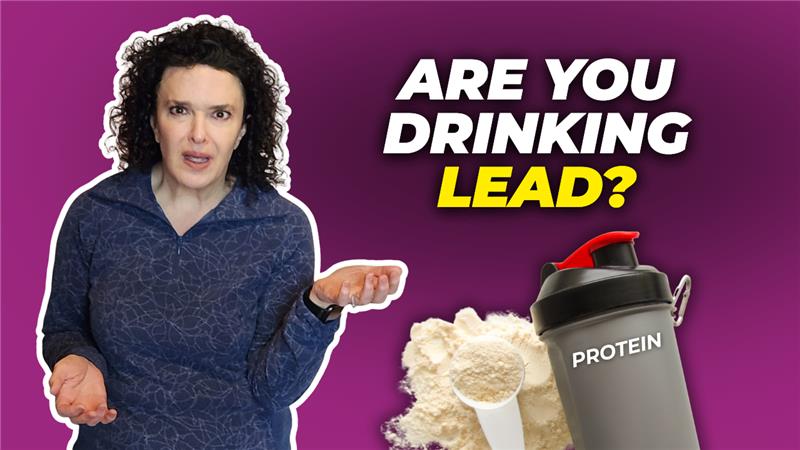
The Truth About Protein Powder & Heavy Metals
Would you ever willingly sip on something laced with lead? What if it was hiding in your daily protein shake?
In this episode, I uncover a surprising truth about popular protein powders that could be sabotaging your health goals. From heavy metals to hidden risks, we're breaking down what the labels don’t tell you, and how to protect your body without ditching your gains.
Curious if your favorite shake makes the cut? Dive in now to find out.
Episode Video
What’s Really in Your Daily Scoop?
You wouldn’t drink from a water bottle filled with lead, but many people do something surprisingly similar every day without realizing it. They drink protein shakes. A recent Consumer Reports investigation found that most protein powders on the market contain measurable amounts of heavy metals like lead. That means you could be unknowingly ingesting toxins in the name of health and fitness. The fix? It costs just a few extra dollars a month, opting for NSF-certified, third-party tested products. When compared to the risks of heavy metal exposure, it’s a no-brainer.
Let’s dive into how to hit your protein goals the safe way, and avoid the silent dangers that could be slowing you down or harming your health.

Why Protein is Critical for Muscle, Bone, and Recovery
Getting enough protein each day isn’t just for athletes or bodybuilders. It’s essential for muscle strength, bone density, tissue repair, and even long-term recovery after procedures. The sweet spot? Aim for 1.6 to 2 grams of protein per kilogram of your ideal body weight daily. This is especially important for anyone focusing on regenerative medicine or reversing age-related muscle loss.
Many people turn to protein shakes to hit those daily numbers. While this seems like a smart move, there’s a hidden risk in many popular protein powders.
The Shocking Reality: Most Protein Shakes Contain Lead
A recent report tested 23 top-selling protein powders and ready-to-drink shakes. The results were alarming: more than two-thirds contained more lead per serving than what safety experts consider acceptable.
Some plant-based protein powders had lead levels as high as 1,200% to 1,600% over the limit of 0.5 micrograms per day. One mass gainer even measured 7.7 micrograms of lead per serving, that's more than 1,500% over the recommended threshold.
This is especially dangerous because people trying to build muscle or recover from injuries may be drinking protein shakes daily. That kind of regular exposure to toxins builds up over time and can do real damage to your body.
Why Plant-Based Protein Powders Are Riskier
Not all protein powders are created equal. Plant-based powders tend to have higher contamination levels because plants absorb what’s in their environment, soil, water, and air. If the soil is polluted, the protein you’re drinking may be too.
If you're working hard to support lean muscle, bone health, or recovery after procedures, using contaminated protein shakes can actually work against you. It’s the opposite of what your body needs when you’re trying to repair or strengthen it.
How to Choose a Safe Protein Powder That Supports Your Health
The solution isn’t to avoid protein shakes altogether. They can be a great tool—but only when chosen wisely. Here’s what matters most:
First, prioritize whole food protein, lean meats, fish, eggs, dairy (if tolerated), legumes, and other high-quality sources. Supplements should be an addition, not the foundation.
If you do use a protein powder, make sure it meets strict quality standards. Look for third-party testing from credible sources like NSF Certified, USP, ConsumerLab, or Informed Choice. The brand should clearly publish its heavy metal testing results or guarantee safety limits.
You should also pay attention to where the ingredients are sourced and processed. Are the plants grown in clean soil? Are manufacturing standards high? Is the company transparent about testing?
It might cost a few dollars more, but it’s worth it. Compared to the price of long-term lead exposure, muscle loss, poor recovery, and damaged bone health, this is one of the smartest health investments you can make.
Final Thoughts
Protein is one of the most important building blocks for muscle, bone, and recovery, but quality matters just as much as quantity. As more people turn to protein shakes to meet their daily goals, it’s crucial to know what’s really inside those powders. Hidden heavy metals like lead can quietly sabotage your progress and your health.
The solution isn’t to ditch supplements altogether, but to be smarter about the ones you choose. Look for third-party tested, NSF-certified protein products and always prioritize whole food sources when possible. In the long run, protecting your body from toxins is just as essential as fueling it. Your health depends on more than numbers. It depends on what you trust to put in your body.
Frequently Asked Questions
How much protein do I really need each day?
Aim for 1.6 to 2 grams of protein per kilogram of your ideal body weight. This range supports muscle growth, bone health, and proper recovery.Are all plant-based protein shakes dangerous?
Not all, but many plant-based protein powders carry a higher risk of heavy metal contamination. Always choose products that are NSF certified or third-party tested.What’s the safest type of protein shake to use?
Whey protein from a trusted brand with third-party testing is generally safer. Look for certifications like NSF or Informed Choice.How do I know if a protein powder has been tested for lead?
Check the company’s website or product packaging. Look for published test results or seals from third-party testing organizations.Can protein shakes replace whole food meals?
No. Protein shakes are supplements, not meal replacements. Whole food sources like meat, fish, eggs, and legumes should make up most of your protein intake.
If you're ready to take control of your knee pain, click here to discover more about these five effective knee pain home treatments. With these simple steps, you can start your journey towards pain-free knees and a more active lifestyle.


