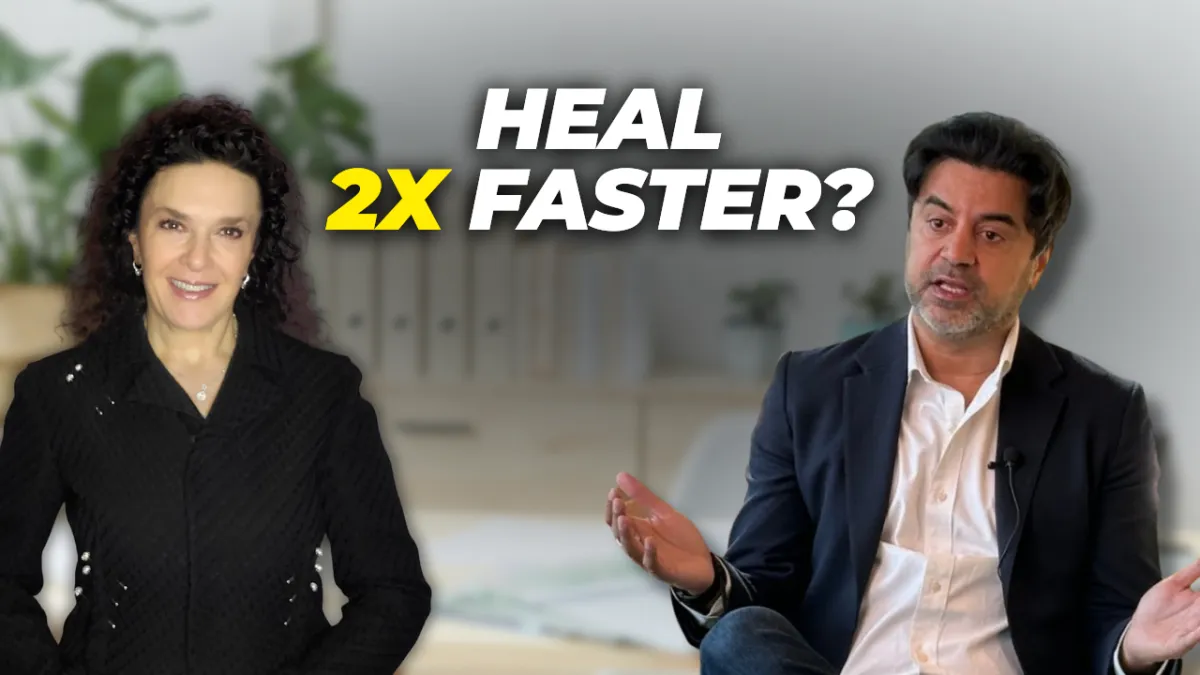
Heal Faster: The Science of Clinical Nutrition (MEND)
Recovering from surgery, healing an injury, or training for a marathon? Your body is in overdrive. But what if food, not just medicine, was your secret weapon? In this episode, a powerful conversation with Eziah Syed, co-founder of MEND, explores the critical role of recovery nutrition and performance nutrition in modern healing.
It all started with personal stories and in each case, doctors never mentioned nutrition. Not once. That sparked a mission, "What if healing could be faster, safer, and stronger with targeted, science-backed nutrition?"
Let’s break down how the food we eat, or don’t eat, can dramatically affect recovery and performance.
Episode Video
Most Patients Are Starving for the Right Nutrition, Literally
People undergoing surgery or dealing with injury often enter these intense physical challenges already nutritionally compromised. Older adults facing joint replacements or cancer surgeries, for instance, are typically undernourished. Even athletes pushing themselves to the limit may not be getting the nutrients they need.
This isn’t just a minor detail. Healing a joint is like running 10 marathons back-to-back. Your body enters a catabolic state, breaking down muscle and tissue. But to heal, you need to be anabolic, building back stronger. That shift can’t happen without proper nutrition.

Why Protein is Critical for Muscle, Bone, and Recovery
Getting enough protein each day isn’t just for athletes or bodybuilders. It’s essential for muscle strength, bone density, tissue repair, and even long-term recovery after procedures. The sweet spot? Aim for 1.6 to 2 grams of protein per kilogram of your ideal body weight daily. This is especially important for anyone focusing on regenerative medicine or reversing age-related muscle loss.
Many people turn to protein shakes to hit those daily numbers. While this seems like a smart move, there’s a hidden risk in many popular protein powders.
Performance Nutrition Prepares the Body Like an Athlete Going to War
Syed makes one thing clear, surgery and intense physical recovery demand preparation, just like an athlete prepares for a big game. The only difference? Most patients aren’t getting coached on how to fuel their bodies before the “big event.”
Think about it. You wouldn’t run a marathon on junk food. Yet many people go into surgery malnourished. When your body is under stress, the first thing it burns through is muscle. This is your only real reservoir of amino acids. Without high-quality protein and essential nutrients, the healing process drags, complications rise, and outcomes suffer.
Grocery Store Food Isn’t Enough, Here’s Why You Need More
Can’t you just eat your way to better recovery? Not likely. Up to 73% of items in your average grocery store are ultra-processed and lacking in real nutrients. The reality is, most Americans are under-eating protein, especially older adults. While current guidelines suggest 0.6 grams per kilogram of body weight, patients recovering from surgery or injury need more than double that, 2 grams per kilogram, to repair tissue and build strength.
Let’s put that into perspective: to get the same amount of essential amino acids found in a targeted recovery nutrition formula, you’d need to eat up to 6 chicken breasts a day. That’s where performance nutrition supplements come in.
Why Third-Party Testing Is Critical for Supplements
Not all supplements are created equal. In fact, many protein powders on the market today are contaminated with dangerous substances like lead, or they lack the nutrients listed on the label. A recent Consumer Reports study found that two-thirds of tested protein powders had unsafe levels of lead.
Enter third-party certifications like NSF Certified for Sport® or Informed Choice. These certifications ensure that what’s on the label is actually in the product, and that there are no banned or harmful substances. When healing is on the line, this isn’t optional. It’s essential.
Syed emphasizes that only a tiny fraction, less than 3%, of nutrition products are third-party tested and clinically validated. MEND is one of those rare exceptions. Their formulas aren’t just safe, they’re evidence-based and built for real medical outcomes.
Healing Faster Means Fewer Complications and Better Outcomes
Patients who use recovery nutrition strategically don’t just feel better, they heal better. In a recent case series of patients preparing for joint replacement, MEND’s recovery nutrition program led to an average weight loss of 18.5 pounds, increased muscle mass, and decreased fat, all before surgery. These patients experienced fewer complications and recovered more quickly.
Why? Because their bodies were prepared. They entered the operating room with stronger muscles, better immune responses, and lower inflammation levels.
The same applies to performance nutrition. Whether you're rehabbing an injury, recovering from intense training, or undergoing an orthopedic procedure, the right nutrition plan can improve cell regeneration, reduce post-op infection risk, and help you get back on the court, trail, or field faster.
A New Model for Recovery and Long-Term Health
For patients and doctors looking to go beyond supplements, MEND offers a complete support program called Upgrade. This includes remote coaching with nurses and dietitians before, during, and after surgery or orthopedic treatments.
Why is this so powerful? Because surgery is a teachable moment. It's a rare window where people are more motivated to change behaviors. The Upgrade program uses that moment to improve outcomes and build long-term health habits that stick.
Patients enrolled in the program reported improved mobility, better mood, healthier eating, and even reduced reliance on medications. And they didn’t do it alone, MEND stayed with them every step of the way.
The Future of Healing Is Food as Medicine
While programs like MEND are leading the charge, the system still has a long way to go. Food remains one of the most powerful tools in healing. And yet, it’s rarely prioritized in clinical care.
The root problem? Incentives. Processed food companies profit from addictive, cheap ingredients. Insurance systems aren’t structured to reward prevention. And physicians are often too strapped for time or unaware of the latest nutritional science.
But change is coming. With more studies proving the power of performance and recovery nutrition, and with models like MEND showing real-life success, patients and forward-thinking doctors are taking control of the healing journey.

About Eziah Syed
Eziah Syed is the co-founder of MEND and a seasoned innovator with a background in leading strategy and innovation at global firms like Deloitte and Citibank. With a strong track record as a serial entrepreneur, Eziah specializes in launching new ventures and uncovering white space growth opportunities, particularly where technology meets health and wellness. Today, he’s focused on transforming the way we think about recovery and performance through clinically-backed nutrition.
Final Thoughts
Whether you're preparing for surgery, healing from injury, training like an athlete, or just trying to feel your best; nutrition is your first line of defense. Recovery nutrition and performance nutrition are not trends. They’re backed by data, grounded in science, and capable of transforming outcomes. The body needs raw materials to rebuild, especially during intense catabolic states.
Now is the time to stop thinking of protein shakes and supplements as “extra.” They are essential tools for faster healing, stronger recovery, and peak performance. So the next time your doctor says “rest and heal,” ask them: “What should I be eating?”
Frequently Asked Questions
What is recovery nutrition, and why is it important?
Recovery nutrition focuses on giving your body the nutrients it needs after surgery, injury, or hard training. It helps reduce muscle loss, speed healing, and lower the risk of complications.How is performance nutrition different from recovery nutrition?
Performance nutrition is about fueling your body before and during physical activity to maximize strength, energy, and endurance. Recovery nutrition is focused on rebuilding afterward.Can’t I just eat a healthy diet instead of using supplements?
In theory, yes. But most diets don’t provide enough protein or key nutrients, especially during times of stress. Supplements fill those gaps quickly and effectively.What does third-party certification mean for supplements?
Third-party testing ensures that supplements are safe, contain what they claim, and are free from harmful substances like lead or banned ingredients.How do I know if a supplement like MEND is right for me?
If you’re preparing for surgery, recovering from injury, or training hard, talk to your doctor and look for supplements that are third-party tested and clinically validated like MEND.
If you're ready to take control of your knee pain, click here to discover more about these five effective knee pain home treatments. With these simple steps, you can start your journey towards pain-free knees and a more active lifestyle.


